

After a major Help Center migration, a significant amount of content across 13 markets was missing.
The immediate need was to identify what had been lost and create a reliable inventory of the content we actually had. But as I started tracking articles one by one, I realized there was a broader problem: we lacked a clear view of the content ecosystem itself.
Mapping the ecosystem
I created an information architecture map and mapped 2080+ articles, helping identify content gaps and understand how content was organized
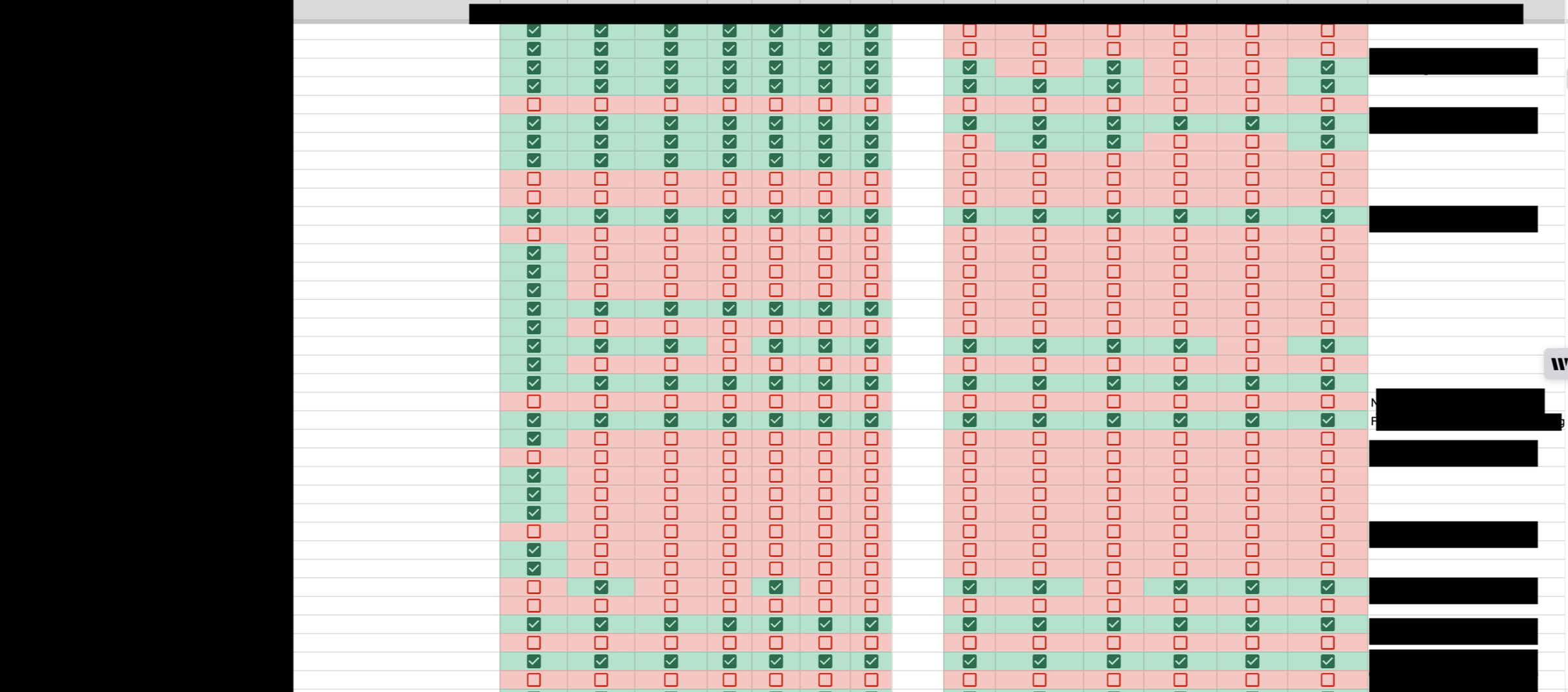
Anonymized content governance tracker showing article status and coverage across multiple markets.
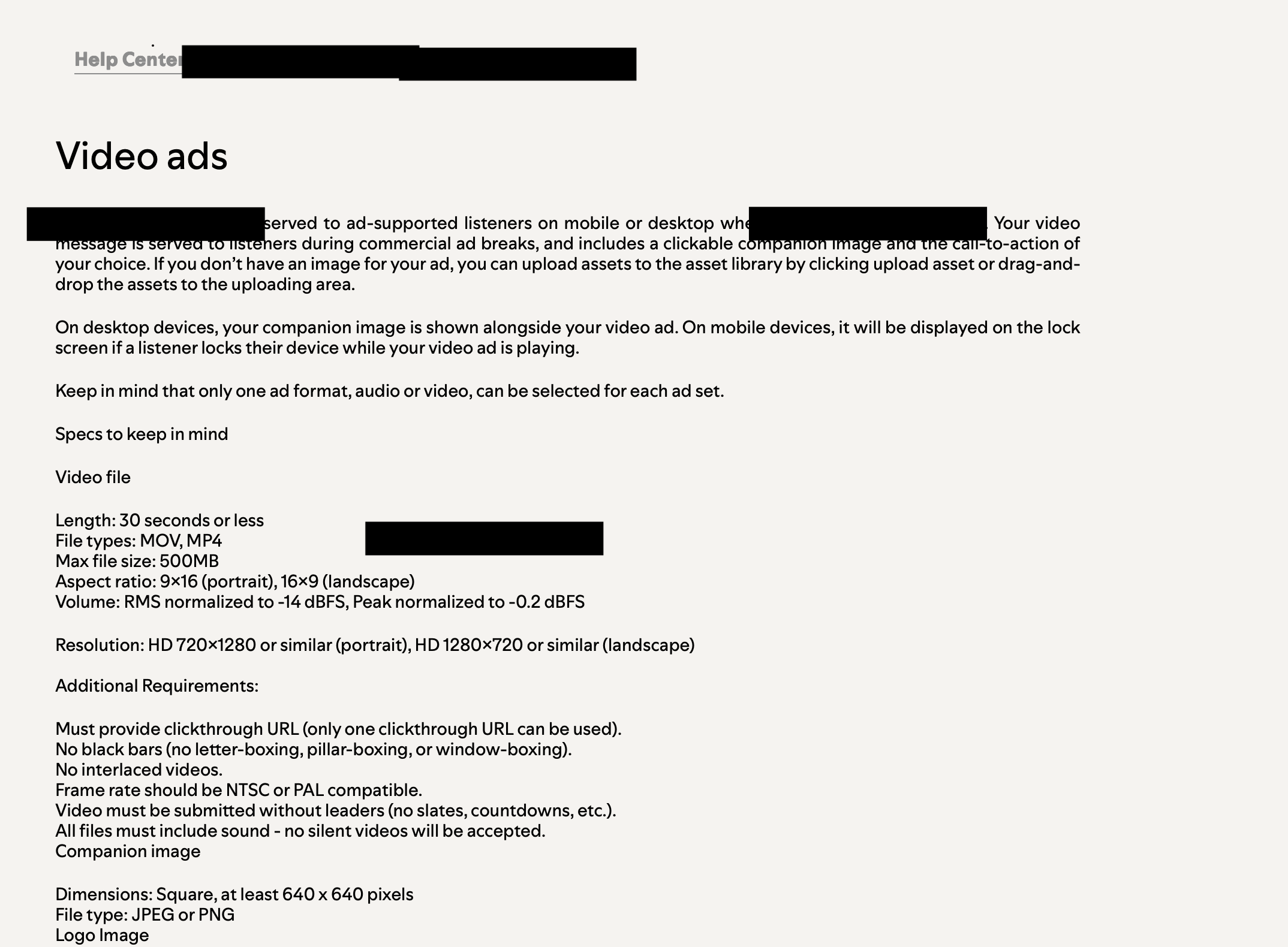
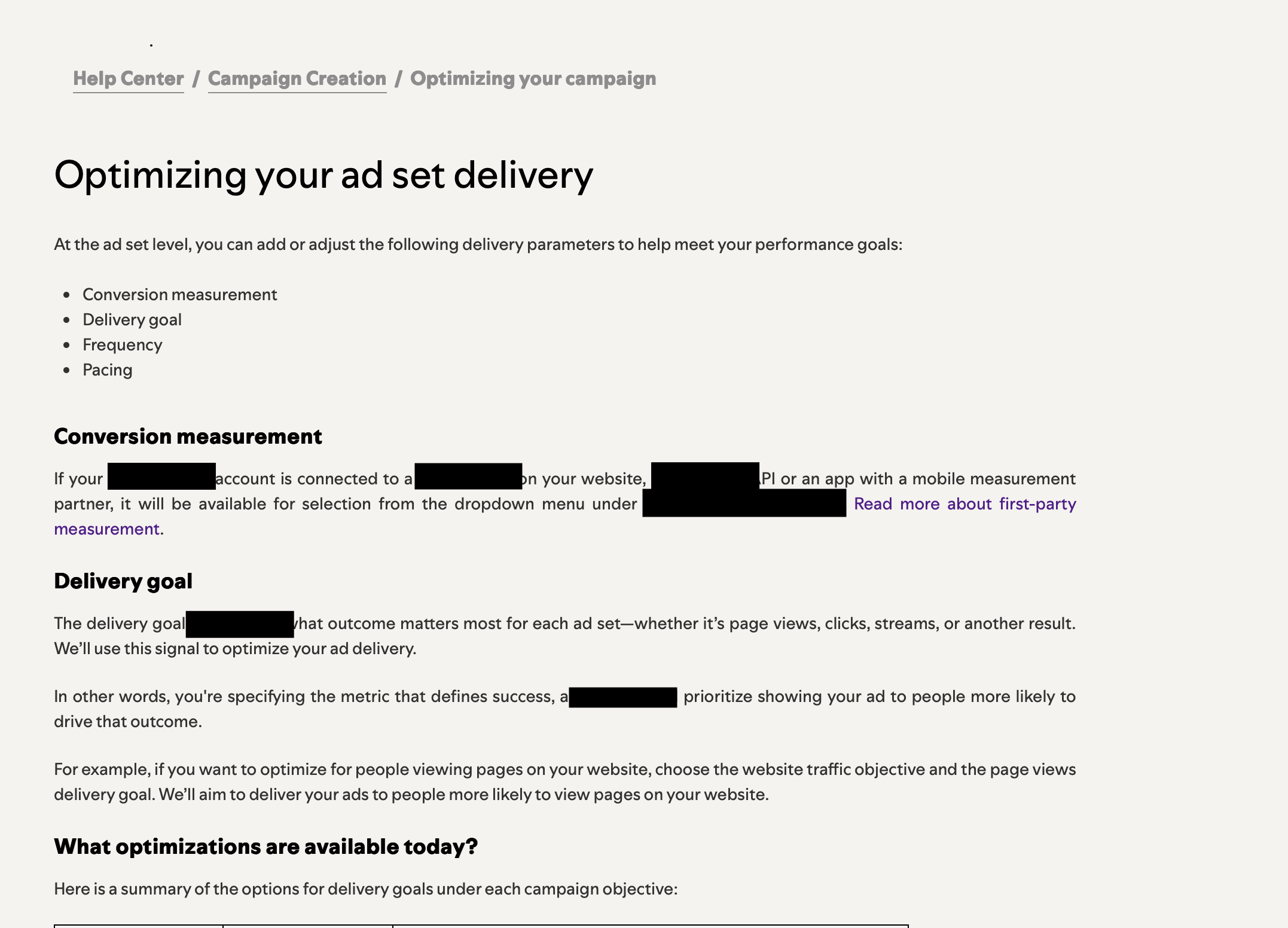
Improving the content
The audit also exposed inconsistencies in how content was structured, so I applied content design principles to improve hierarchy, readability, accessibility, and consistency across the entire Help Center.
Building governance
To make this scalable across the team, I documented the guidelines and built a shared inventory to keep track of content, ownership, updates, and its place within the information architecture map.
Impact
2080+ articles mapped
Shared standards
Stronger content governance
What began as a migration issue became an opportunity for understanding. standardizing, and governing content at scale. It also created a stronger foundation for future AI-assisted content workflows by making content more structured, consistent, and traceable.